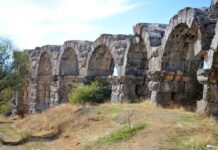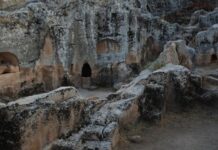
Our journey led us through a remarkable passage cut directly through the rocks, shaped like a great natural gate. A small river also flowed through this narrow opening, falling sharply and forming a swift cascade. This place controlled the main passage of the country, and anyone wishing to travel through these lands had to pass this point. Seeing it immediately reminded me of La Chiusa in the Julian Alps, between Venzone and Ponteva, a passage so important that the Venetians close it every night for safety.
This rocky gateway was not only impressive by nature but also important for defense. Whoever held this point could easily command movement through the region, just as in many famous mountain passes of Europe Arrival at Momjler (Toli).
The First Mosque of the Region
During our journey, we also noticed the first Turkish mosque built in this part of the country. It stood on the very spot where the Turks first rested after capturing the strong castle and controlling the important passage of Sarvitza. The mosque was a sign of their victory and settlement in the land, marking the beginning of their presence and authority in this region.
Nearby, we passed a hill made of fine red earth, which was highly valued by the locals. From this earth, they made pots and vessels, very similar to those crafted from the famous Portugal clay, which was well known and respected throughout these parts. These pottery items were widely used and traded in the surrounding towns and villages Daily Ephesus Tour.
Dangerous Paths and Steep Precipices
From there, our journey became far more difficult and dangerous. We traveled over narrow, hanging paths carved into steep rocks, all while remaining on horseback. Looking down offered little pleasure, as on one side there were deep precipices, and below us we could see the carcasses of horses that had fallen and broken their necks in earlier accidents. These sights were grim reminders of the risks of travel in such wild terrain.
Despite the danger, we continued forward, carefully guiding our horses along the narrow paths. The rough landscape demanded constant attention and steady nerves.
Mount Olympus and the Town of Iessone
For much of the way, Mount Olympus remained on our left side, rising high and majestic. Eventually, we arrived at Iessone, also known as Alessone, a town of some importance. Here, we found a Greek monastery, inhabited by monks of the Order of Saint Basil. The monastery was unlike any building I had seen before, both in design and appearance, reflecting a different tradition of architecture and religious life.
The monks lived quietly and followed their strict order, adding to the sense of calm after the dangers of the mountain paths.
Plains, Watchmen, and Safe Passage
After leaving Iessone, we crossed a river and entered a round plain, about five miles across, with several towns pleasantly scattered throughout it. We then crossed another hill, which was a spur of Mount Olympus. On the top of this hill stood an old man beating a drum, whose duty was to signal to travelers on both sides that the roads were safe and free from thieves. This simple warning system brought comfort to those passing through these isolated regions.
As we descended from the hill, we enjoyed a wide and beautiful view of the Plains of Thessaly. At the foot of the hill, we turned left, crossed another river that burst fully formed from beneath a rocky mountain, not from many small springs but as one strong stream.
Arrival at Larissa
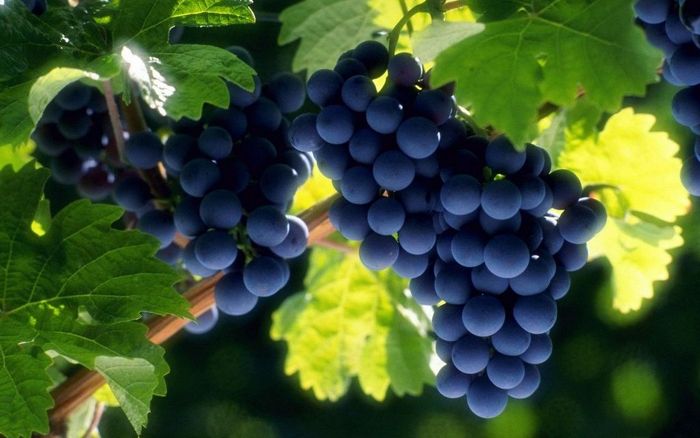
Finally, we traveled through vineyards and cotton fields, fertile and well cultivated, until we reached Tornovo, and from there continued on to Larissa, where the Ottoman court was then residing. These places would later provide much more to observe and describe, and they deserve further attention in the accounts that follow.